What makes a well-booked Barcelona stay?
Barcelona works best when the hotel decision supports the trip you actually want to take. The city changes dramatically by neighborhood, so hotel location has a larger effect on daily experience than many travelers expect. Travelers who book purely by nightly rate often end up paying for the mistake later through long transfers, weak neighborhood fit, or a room type that does not match the pace of the itinerary.
A production-ready Barcelona plan starts with three questions: which area cuts the most friction from your days, which rate gives you the right amount of flexibility, and which hotel style matches the mood of the trip. Once those answers are clear, it becomes much easier to compare options on OBO and book with confidence rather than guesswork.
- Best for: city-break travelers, design lovers, food-focused visitors, and first-timers who want to stay in the right zone from the start.
- Best travel window: April to June and September to October, with winter offering calmer city pace and lower hotel pressure.
- Ideal stay length: three to four nights for a strong first visit.
- Stay decisions matter most in these zones: Eixample for broad walkability, architecture, and polished hotel inventory; Gothic Quarter and El Born for history, atmosphere, and late energy; Barceloneta for travelers who want the beach built into the city stay; Gracia for a more residential, café-led, repeat-visitor feel.
- Booking discipline should focus on: decide whether the trip is beach-first or city-first before comparing rates; watch festival and summer peaks because they tighten the best-located stock quickly; check noise comments carefully in older central districts.

Why Barcelona rewards better hotel planning
Barcelona is not hard to enjoy, but it is easy to book poorly. The strongest stays reduce transfer time, keep you close to the experiences that matter, and preserve energy for the parts of the trip that create memories. That is why hotel choice should be treated as itinerary design, not just price comparison.
This is especially true for city-break travelers, design lovers, food-focused visitors, and first-timers who want to stay in the right zone from the start. In destinations where traffic, geography, event demand, or neighborhood contrast shape the guest experience, the right hotel can make a trip feel smooth and generous while the wrong hotel can make even a premium property feel inconvenient.
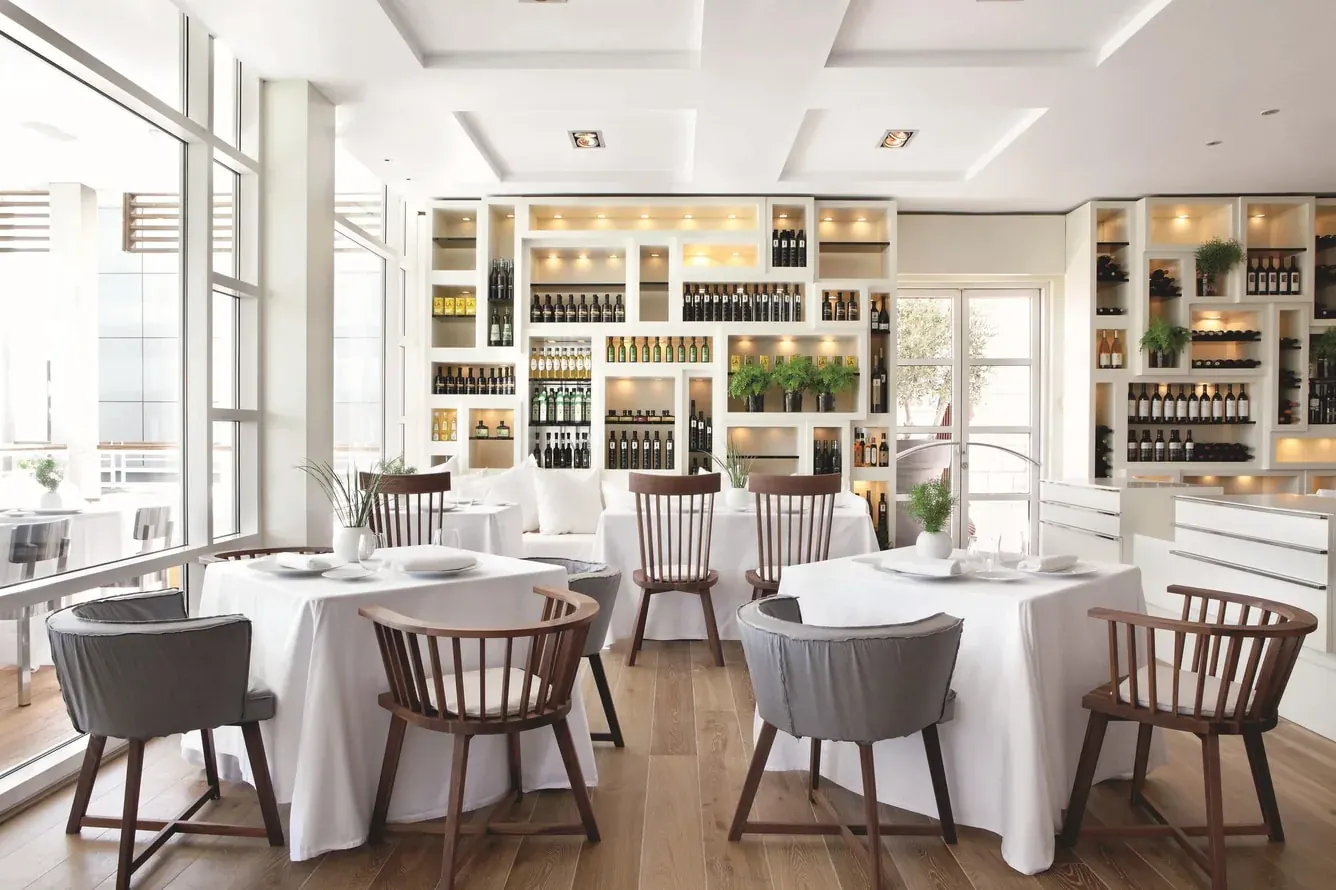

Where to stay in Barcelona
Start by mapping your hotel to the rhythm of the trip. If your priority is culture and walkability, choose an area that keeps museums, old districts, or local dining within easy reach. If the trip is more about downtime, pick the district that gives you the easiest access to resort amenities, waterfront space, or a calmer evening scene.
For most travelers, the smartest short list includes a few clearly different hotel profiles rather than ten similar options. Compare each area against your arrival airport, likely transport time, meal preferences, and how much of the day you want to spend inside the hotel itself.
- Eixample for broad walkability, architecture, and polished hotel inventory
- Gothic Quarter and El Born for history, atmosphere, and late energy
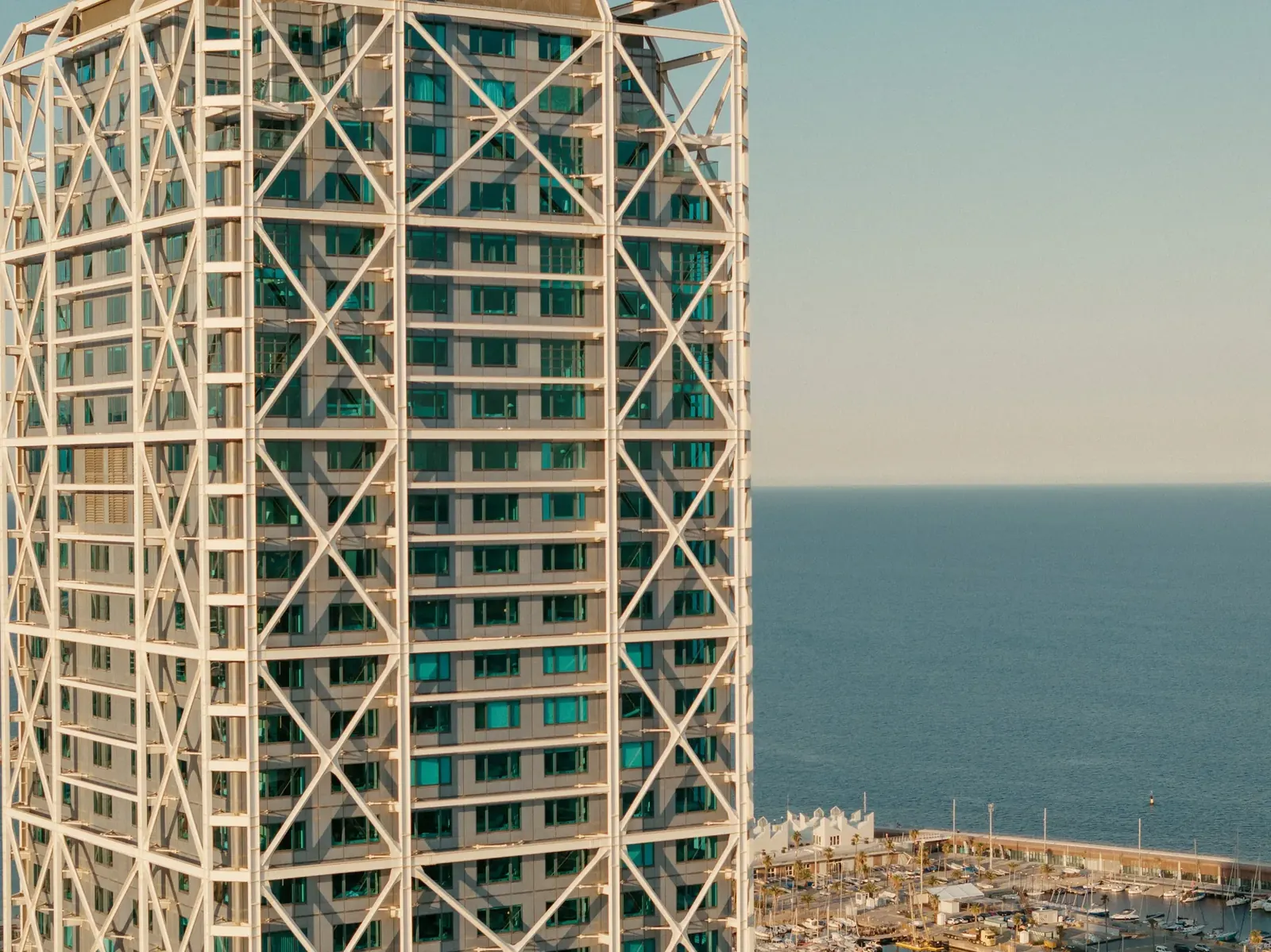
- Barceloneta for travelers who want the beach built into the city stay
- Gracia for a more residential, café-led, repeat-visitor feel
How to book smarter hotels in Barcelona
The best booking strategy is usually a mix of timing and flexibility. Search early enough to see the stronger room categories, then compare prepaid rates against cancellable options. In many cases, the flexibility premium is justified because it gives you room to reprice or pivot if schedules change.
When you compare hotels on OBO, read the total value stack rather than the headline rate. Breakfast, airport transfers, cancellation terms, board basis, and room size can change the real winner. In high-demand periods, those inclusions often save more money than chasing the lowest visible nightly rate.
- decide whether the trip is beach-first or city-first before comparing rates
- watch festival and summer peaks because they tighten the best-located stock quickly
- check noise comments carefully in older central districts
Experiences that shape the right itinerary
Hotel selection should support what you actually want to do, not what an average traveler might do. If the trip is driven by dining and neighborhoods, choose the property that gets you into the city quickly. If the goal is recovery, space, and private time, pay more attention to room category, outdoor areas, and resort design.
A strong Barcelona stay usually combines one anchor experience per day with enough buffer to enjoy the hotel. That balance prevents over-scheduling and lets the property contribute to the trip instead of functioning as little more than a bed.
- pair architecture-heavy days with a neighborhood that makes evening returns easy
- use Eixample when you want balance rather than extremes
- keep Barceloneta for trips where beach access will actually be used, not just admired
Mistakes travelers make in Barcelona
Most hotel regret comes from a small number of avoidable errors: booking too far from the real center of gravity of the trip, assuming a luxury brand guarantees the right neighborhood, or choosing a restrictive rate before flights and local plans are firm.
The cleaner approach is to decide what cannot go wrong, then filter around that. Once you know your non-negotiables, whether that is walkability, quiet, room size, family layout, or flexible cancellation, the hotel search becomes materially easier.
- choosing the Gothic core without checking nighttime noise tolerance
- staying too far from the places you want to dine in the evening
- overpaying for sea adjacency when the trip is mostly urban
Frequently asked questions
How far ahead should I book Barcelona hotels?
For strong room choice and good cancellation terms, booking six to twelve weeks ahead is usually the safest baseline. Peak events, school holidays, and resort periods deserve more lead time.
Should I prioritize neighborhood or hotel brand in Barcelona?
Neighborhood usually has the bigger impact on daily experience. A good hotel in the right area often outperforms a better-known brand in the wrong location.
What matters most when comparing Barcelona hotel deals?
Look at total trip fit: transport time, cancellation policy, breakfast, board basis, room layout, and the property's alignment with your itinerary. That is a more accurate measure of value than rate alone.
The best Barcelona hotel booking is not necessarily the cheapest or the most famous. It is the one that shortens friction, protects flexibility, and supports the version of the trip you actually want to experience.
When you build the stay around neighborhood fit, rate structure, and daily rhythm, Barcelona becomes easier to enjoy and much easier to justify from both a comfort and value perspective.