How hotel selection gets sharper
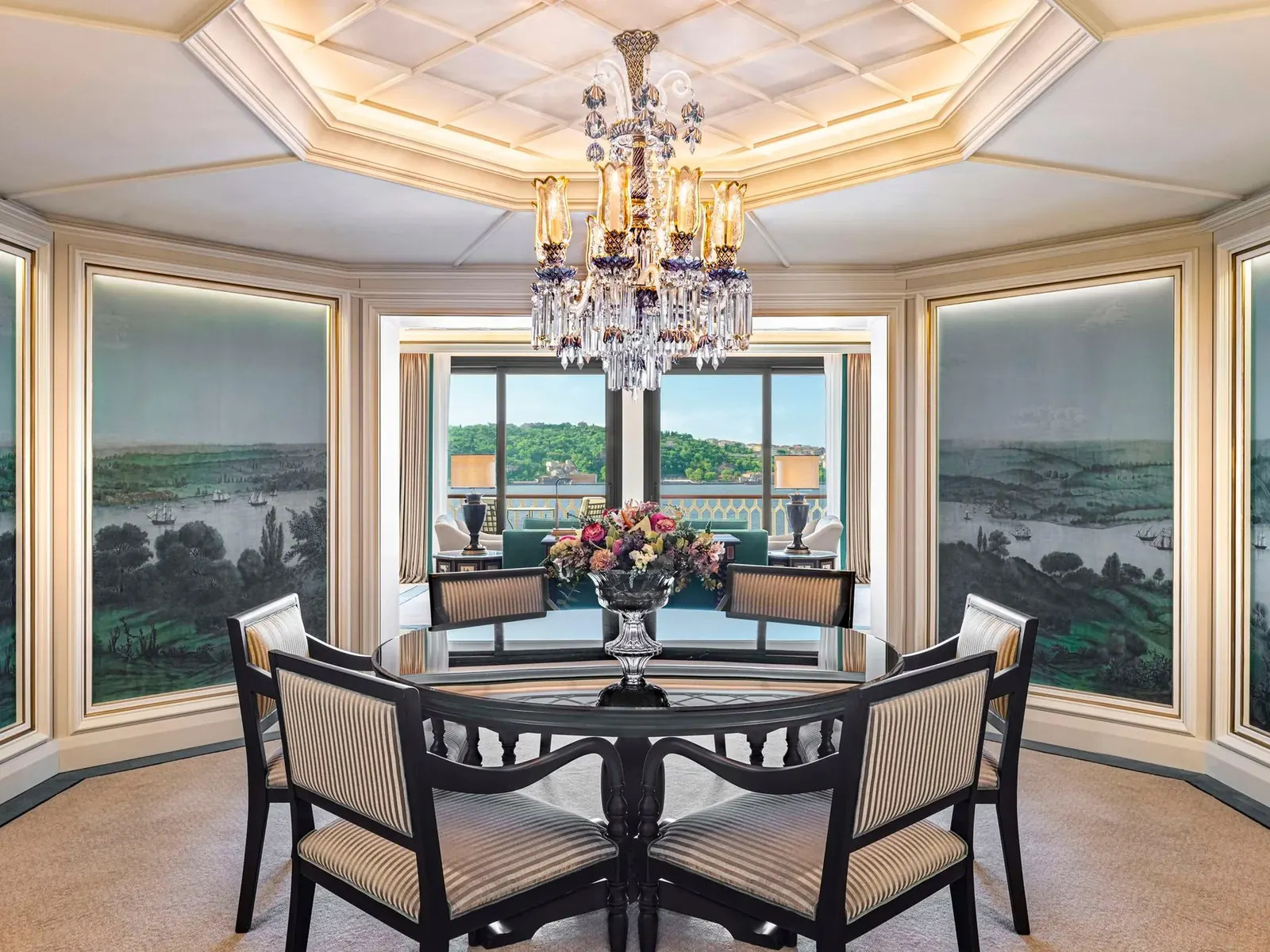
Luxury travelers choosing Istanbul stays usually get the best outcome when the hotel search is built around how the stay should feel, not just what the room costs. In Istanbul luxury, the Bosphorus view can be transformative, but only if the district and hotel style still support the pace of the trip. That means defining the right property profile first and only then comparing brands, rates, and extras.
This is where many bookings go wrong. Travelers compare properties that serve completely different use cases, then wonder why the trip feels off even if the hotel itself was well reviewed. The better approach is to shortlist hotel types that match the purpose of the stay and compare only within that narrower group.
- Start with the trip brief: Luxury travelers choosing Istanbul stays.
- Most useful shortlist lenses: Bosphorus-front luxury when view and slower rhythm matter most; historic-core luxury for culture-first stays; modern-city premium hotels when dining and retail access matter more than iconic scenery; stays where the room category meaningfully changes the water-view experience.
- Amenities that matter most: true view quality rather than partial-view marketing; district fit with ferry, dining, and evening plans; room quietness in denser zones; spa and terrace value when they support the trip mood.
- Watch for these booking mistakes: paying for a view without checking room-category specifics; choosing a scenic district that slows the entire itinerary too much; assuming all Bosphorus-facing hotels offer the same kind of experience.
- Best result comes from matching hotel style to itinerary pace.

How to build the right shortlist
The strongest hotel shortlist usually contains different strategic options rather than near-identical properties. That makes the trade-offs easier to read. One hotel may win on location, another on room size, another on service depth, and another on value once breakfast or lounge access is included.
When the shortlist is structured around real differences, decision quality goes up quickly. You stop comparing noise and start comparing what changes the guest experience.
- Bosphorus-front luxury when view and slower rhythm matter most
- historic-core luxury for culture-first stays
- modern-city premium hotels when dining and retail access matter more than iconic scenery
- stays where the room category meaningfully changes the water-view experience

Which amenities matter and which ones do not
Amenities should only carry weight if they will change behavior on the trip. A spa matters if you will actually use recovery time. A family suite matters if the room layout keeps sleep schedules sane. Executive lounge access matters if it reduces breakfast cost and makes workdays easier.
Many hotel descriptions are designed to look complete rather than useful, so the job is to separate signal from decoration. In practical terms, that means choosing the two or three amenities that meaningfully improve the trip and ignoring the rest.
- true view quality rather than partial-view marketing
- district fit with ferry, dining, and evening plans
- room quietness in denser zones
- spa and terrace value when they support the trip mood
How to compare value inside the same tier
Once the shortlist is correct, value comparison becomes much clearer. Look at total price, cancellation terms, breakfast, transport burden, room category, and whether the property helps or hinders the pace of the itinerary. This is how you avoid overpaying for the wrong kind of luxury or underbuying the comfort the trip genuinely needs.
For most travelers, the best booking is the one that solves the most expensive problem in advance. That might be space, location, sleep quality, meeting convenience, beach access, or family logistics. Rate alone rarely answers that well.
Mistakes that distort hotel choice
The most common selection error is buying prestige instead of fit. Brand reputation is useful, but it should not override neighborhood, room type, or the operational details that matter to the specific trip.
Another common error is assuming a single feature defines the best property. In reality, good hotel selection is layered: location supports schedule, room type supports comfort, rate rules support flexibility, and amenities support the mood of the stay.
- paying for a view without checking room-category specifics
- choosing a scenic district that slows the entire itinerary too much
- assuming all Bosphorus-facing hotels offer the same kind of experience
Frequently asked questions
Is the Bosphorus view worth the premium?
Usually yes when the stay is meant to feel scenic and slower, but less so on a dense monument-first itinerary.
What matters after the view?
District fit, room type, and whether the hotel supports the trip’s daily rhythm.
What is the most common mistake?
Buying the idea of the view without checking how much the room category actually delivers it.
Hotel choice improves quickly once you stop asking which property looks most impressive and start asking which one best supports the trip you want to take.
That is the shift that turns browsing into decision-making and gives you a shortlist that feels confident instead of random.