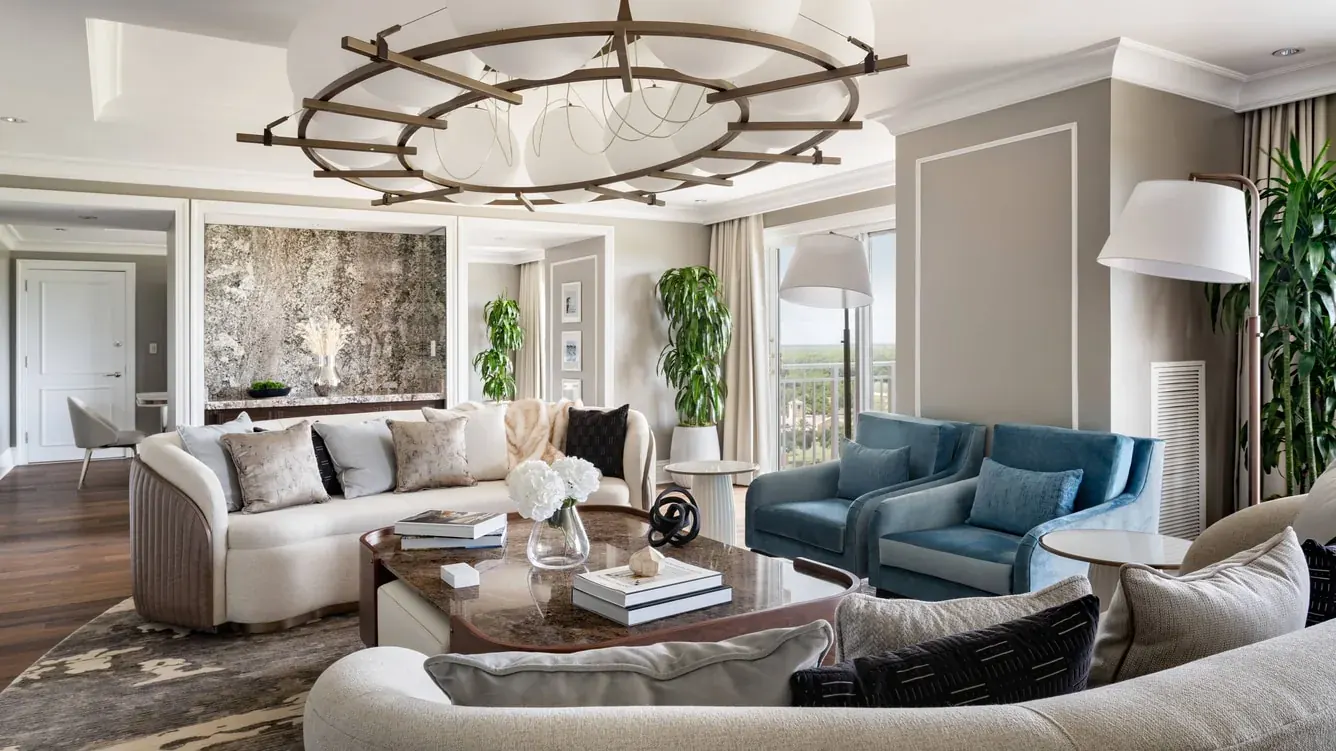
How OBO approaches helping families find the right room configuration
OBO is built to make helping families find the right room configuration more usable for real travelers. Family hotel bookings are usually won or lost on room layout, bed setup, and occupancy logic long before brand name or lobby design becomes relevant. The goal is not to overwhelm people with more hotel data. It is to make the meaningful differences easier to read so the booking decision gets better and faster at the same time.
That matters because hotel comparison gets expensive when it is unclear. Travelers lose time, miss the stronger rate conditions, or book the wrong room type because the signals were fragmented across tabs. OBO is designed to reduce that noise and help people move from browsing to decision-making with fewer blind spots.
- Core promise: clearer family-room comparison before the wrong layout gets booked.
- What OBO is designed to improve: occupancy logic matters earlier in the workflow; room-type comparison becomes more practical for families; families can spot value in suites, connections, and board basis faster.
- How the workflow gets cleaner: start with the true room and guest setup; compare hotel options that can actually support the group; review room configuration, inclusions, and policy together; book the stay that lowers friction for the whole trip.
- Where travelers feel the benefit: fewer bad family room surprises; better value judgment on suites or connecting options; less risk of booking a room that only looks suitable on paper.
- Avoidable comparison mistakes: booking on price before checking the sleep layout; assuming every family room category means the same thing; ignoring meal and cancellation value on longer stays.

Why helping families find the right room configuration matters on OBO
helping families find the right room configuration only creates value when it makes the booking outcome stronger, not merely more complicated. That is why OBO focuses on the fields that change real-world value: room product, cancellation terms, inclusions, supplier coverage, and the practical fit of the option.
When those pieces are visible together, travelers can make faster decisions without giving up rigor. That is the difference between seeing lots of rates and actually understanding which booking is the strongest.
- occupancy logic matters earlier in the workflow
- room-type comparison becomes more practical for families
- families can spot value in suites, connections, and board basis faster
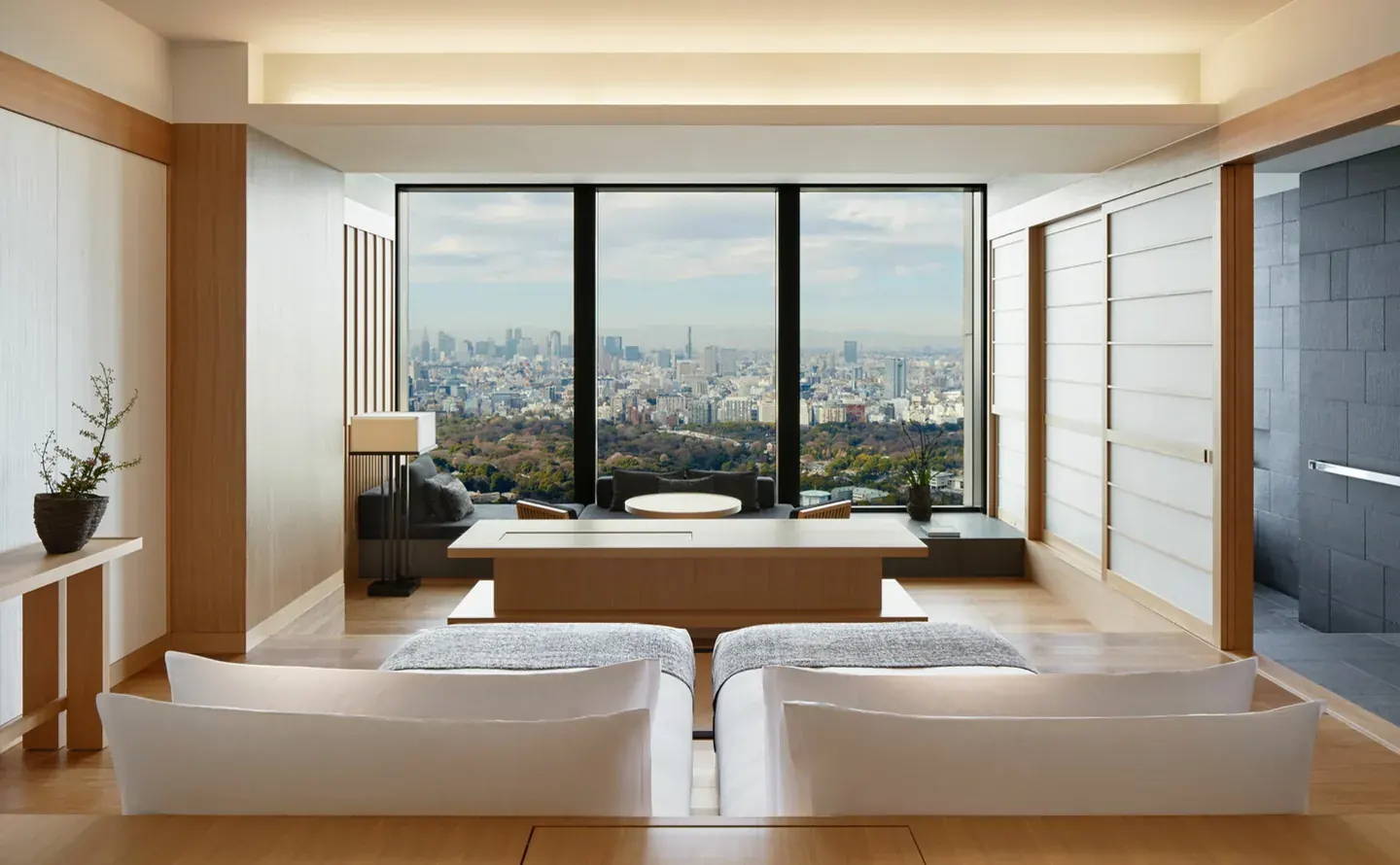
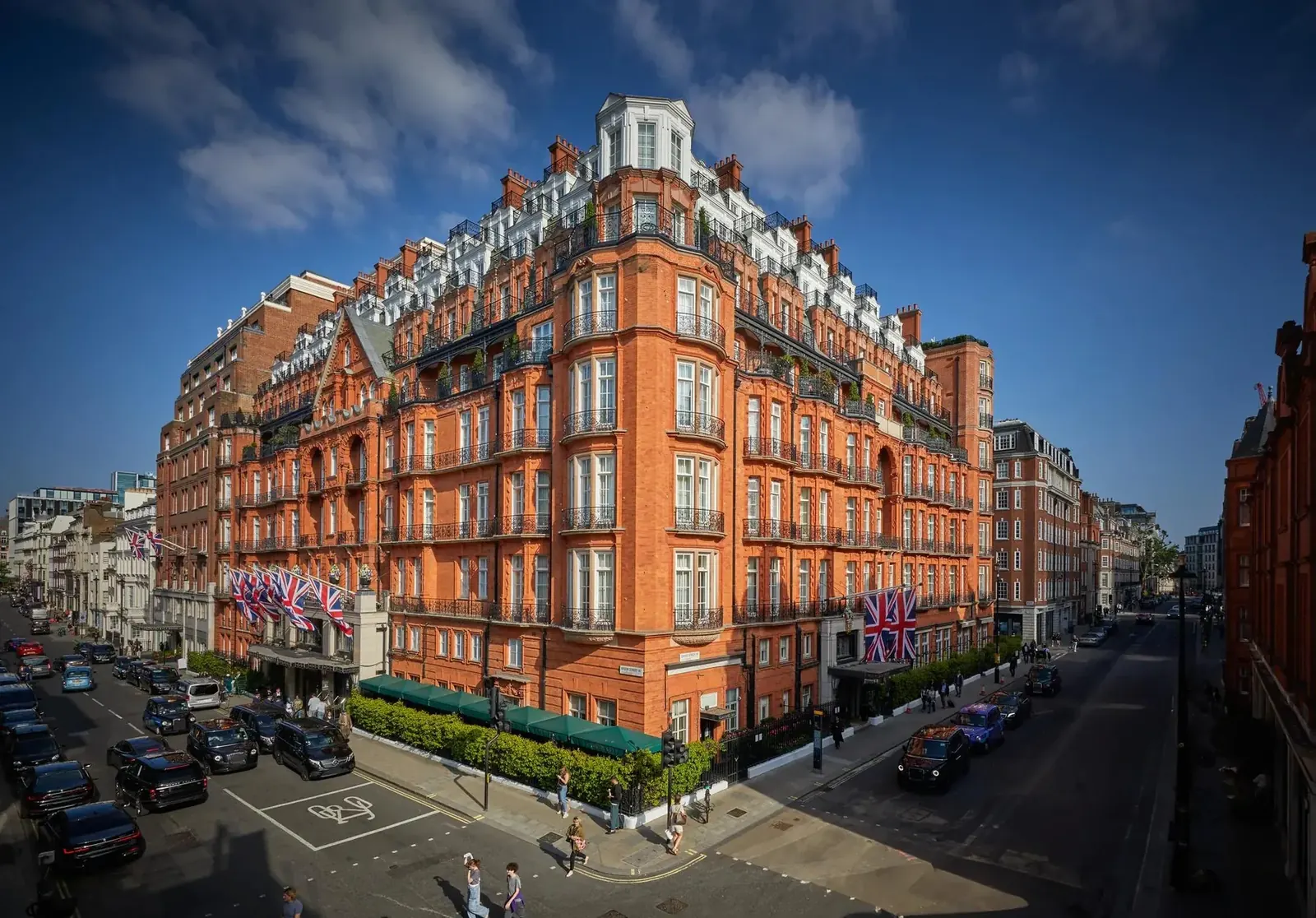
How OBO handles helping families find the right room configuration
The platform is designed around a cleaner comparison sequence. Search surfaces the market, filters narrow the field, and then the traveler can compare the options that truly fit the trip rather than scrolling indefinitely through near-duplicates.
That structure is especially useful when the hotel decision depends on more than price. OBO is meant to keep those trade-offs visible so the traveler can weigh speed, value, and flexibility in one place.
- start with the true room and guest setup
- compare hotel options that can actually support the group
- review room configuration, inclusions, and policy together
- book the stay that lowers friction for the whole trip
Where travelers feel the difference
The best product improvements are the ones travelers can feel immediately: less time lost, fewer dead-end searches, and more confidence that the room or rate selected will still make sense when the trip happens.
That is where OBO is supposed to earn trust. Cleaner visibility around hotel value should reduce friction before booking and reduce regret after booking.
- fewer bad family room surprises
- better value judgment on suites or connecting options
- less risk of booking a room that only looks suitable on paper
Mistakes OBO is designed to reduce
Many hotel booking mistakes are not dramatic. They are small decision errors that compound: choosing the wrong cancellation structure, missing a better room product hidden behind a slightly higher rate, or failing to notice that one option only looks cheaper because breakfast or transfer value is missing.
OBO should make those mistakes harder to commit by surfacing the practical trade-offs early, before the traveler locks in the wrong version of the booking.
- booking on price before checking the sleep layout
- assuming every family room category means the same thing
- ignoring meal and cancellation value on longer stays
Frequently asked questions
Why is family room comparison hard?
Because layout, child pricing, and actual sleep suitability vary widely even inside similar-looking hotel categories.
What should families compare first?
Room setup, occupancy fit, and whether the hotel can actually support the rhythm of the trip.
How does OBO help?
By making the decision less dependent on guesswork and more dependent on visible room and rate differences.
The right travel platform should do more than display inventory. It should reduce uncertainty and help travelers reach a better hotel decision with less wasted effort.
That is the role OBO is trying to play in helping families find the right room configuration: clearer comparison, stronger booking judgment, and a faster path from search to confidence.