A smarter hotel booking workflow
Choosing the best hotel room type before booking is one of the most reliable ways to improve hotel booking results without increasing budget. Travelers often think the advantage comes from finding a secret hack, but in practice it comes from using a repeatable decision process that keeps attention on the variables that actually change value.
The reason this matters is simple: hotel shopping is rarely just a room-rate question. Cancellation rules, meal inclusions, neighborhood fit, room layout, and timing can either compound value or quietly destroy it. Once you review them in the right order, better bookings become far more consistent.
- Core promise: better room decisions without wasting money on the wrong upgrade.
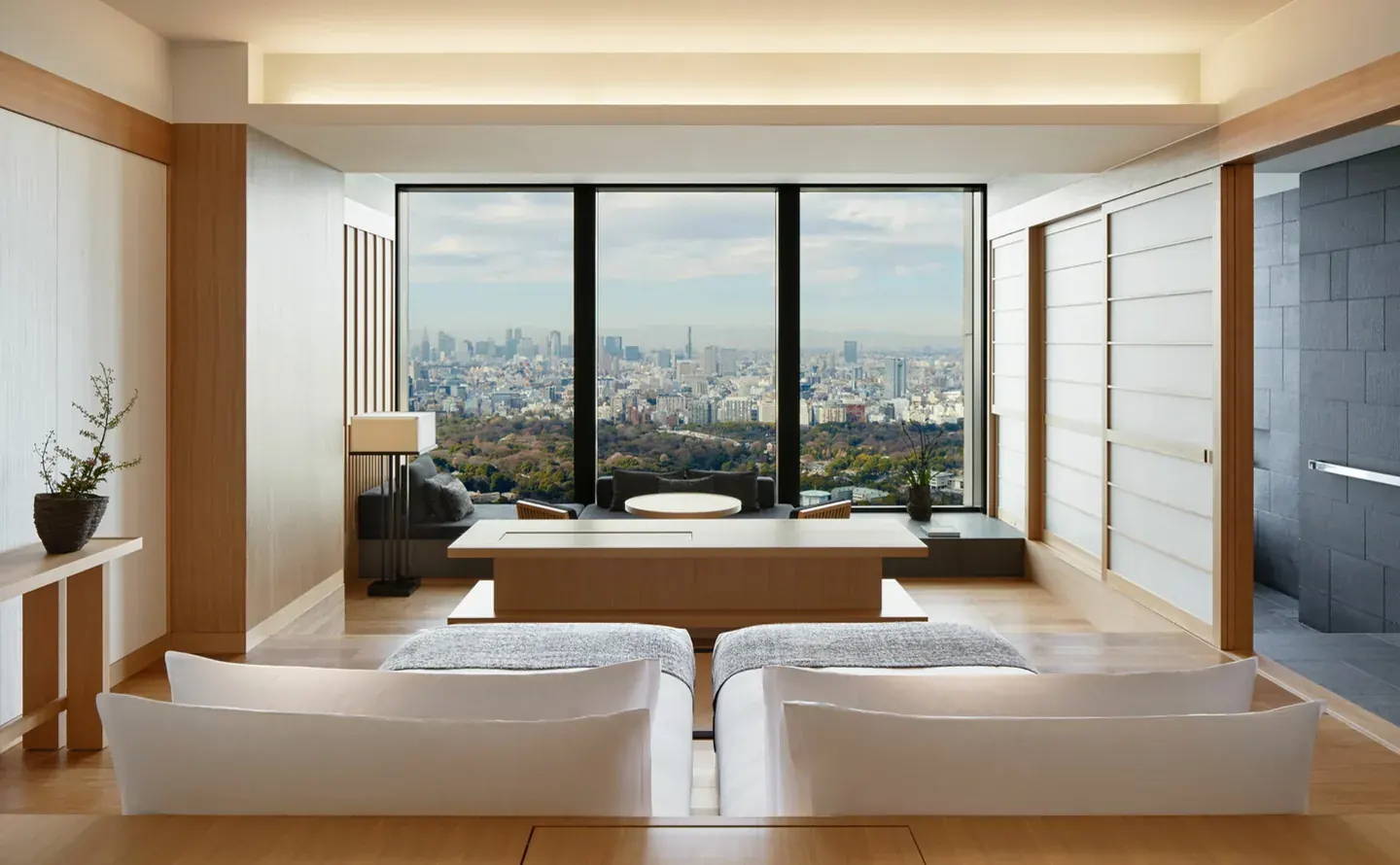
- Signals to check first: room size and layout matter differently by trip style; a better view only wins if the trip will actually use it; sleep quality and storage often outperform decorative upgrades.
- Workflow to follow: define how much time the trip will spend in the room; compare standard and next-tier categories for practical differences; price the upgrade against what it changes in real use; book the room type that solves the biggest comfort problem first.
- Common traps to avoid: buying a named upgrade without understanding the actual benefit; underestimating layout and storage on longer stays; overpaying for aspirational room features you will barely use.
- Best use case: travelers who want better value without extra complexity.

What Choosing the best hotel room type before booking really means in practice
Choosing the best hotel room type before booking works because it forces you to compare the pieces of a booking in the right sequence. The headline price is still relevant, but it is no longer the only number driving the decision. That shift alone prevents many of the mistakes that make a cheap booking feel expensive later.
A professional workflow starts with rate structure, then moves to room product, location, and only then to marginal extras. This order matters because some decisions are hard to recover from once the booking is made, while others can be managed after check-in.
- room size and layout matter differently by trip style
- a better view only wins if the trip will actually use it
- sleep quality and storage often outperform decorative upgrades


A booking workflow that scales
The simplest way to improve results is to use the same short checklist every time. Search the market broadly, narrow down to the strongest two or three locations, compare board basis and cancellation rules, and only then decide whether the difference in room type or brand justifies the price gap.
This method is especially useful on OBO because supplier comparisons can make superficially similar deals look identical when the underlying value is not. A disciplined workflow helps you catch those differences before they turn into booking regret.
- define how much time the trip will spend in the room
- compare standard and next-tier categories for practical differences
- price the upgrade against what it changes in real use
- book the room type that solves the biggest comfort problem first
How to protect both savings and flexibility
A good hotel booking should leave room for change. Even when a prepaid rate looks attractive, it only wins if your itinerary is firm and the savings are meaningful enough to justify the loss of flexibility. If dates, flights, or internal travel are still moving, a flexible rate often protects more value than it seems to cost.
The smart compromise is to separate essential savings from false economy. If breakfast, transfers, or better room layout materially improve the stay, they belong in the comparison. If they do not, they should not distract from the rate that best fits the trip.
Mistakes that erase the benefit
Most disappointing bookings are not caused by bad luck. They happen because travelers compare the wrong fields, skip the cancellation fine print, or overvalue a small nightly discount while underestimating transfer time, taxes, or meal costs.
The fix is not complexity. It is discipline. A handful of well-sequenced checks will improve booking outcomes more than hours of random searching across tabs.
- buying a named upgrade without understanding the actual benefit
- underestimating layout and storage on longer stays
- overpaying for aspirational room features you will barely use
Frequently asked questions
What matters most in room-type comparison?
The features that will actually change the trip: size, noise profile, sleep setup, outdoor space, or bathroom functionality.
When is an upgrade worth it?
When it solves a real comfort issue or meaningfully improves how the stay will feel, not just how it looks in the listing.
What is the most common mistake?
Paying for a nominal upgrade name without checking whether the practical gain is meaningful.
The advantage of Choosing the best hotel room type before booking is that it can be repeated across destinations, hotel categories, and trip styles. Once the process becomes familiar, you make faster decisions and usually make better ones.
That is what production-ready booking behavior looks like: less guesswork, cleaner comparisons, and more confidence that the hotel you choose actually supports the trip you planned.